
April 8, 2026 5 min readBy Tim, Open Sesame Lock & Key
Most residential break-ins aren't picked locks — they're kicked frames. Choosing hardware is half the job; installing it into a door and jamb that can take a hit is the other half.
Understand the grades
- Grade 3 is builder-grade residential. It's what comes on most new houses and it's the minimum.
- Grade 2 is heavier residential and light commercial. For an exterior door, this is the sensible target.
- Grade 1 is commercial duty. Overkill for a bedroom, sensible for a storefront or a shop.
Fit beats brand
- Backset. Doors are bored at either 2 3/8" or 2 3/4". Buying the wrong one is the most common DIY mistake.
- Strike plate and screws. A deadbolt is only as strong as the wood holding it. Three-inch screws into the framing behind the jamb make a bigger difference than upgrading the lock.
- Bolt throw. A full one-inch deadbolt throw only helps if the strike pocket is deep enough for it.
Smart locks: worth it or not?
- Worth it if you need codes for family, cleaners, or short-term guests, or you're tired of hiding a key outside.
- Think twice on doors that get direct rain and sun all day — electronics and weather are a long-term argument. A covered entry is a better candidate.
- Whatever you choose, keep a mechanical override key somewhere sensible.
What a proper install includes
- Checking that the door still closes freely after the hardware is in, in both summer swell and winter shrink.
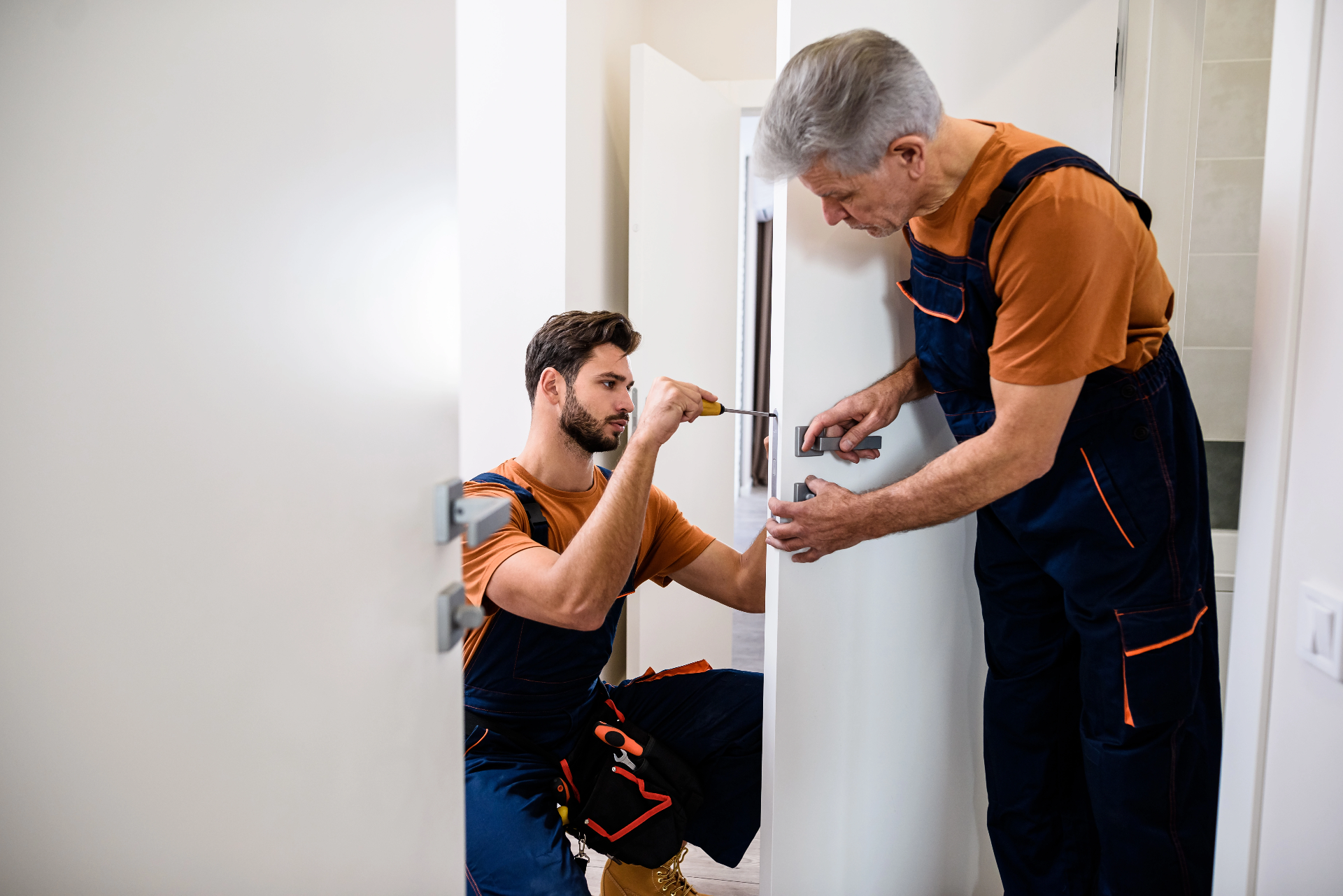
- Reinforced strike screws, aligned latch, tested from both sides, and old hardware removed cleanly.